



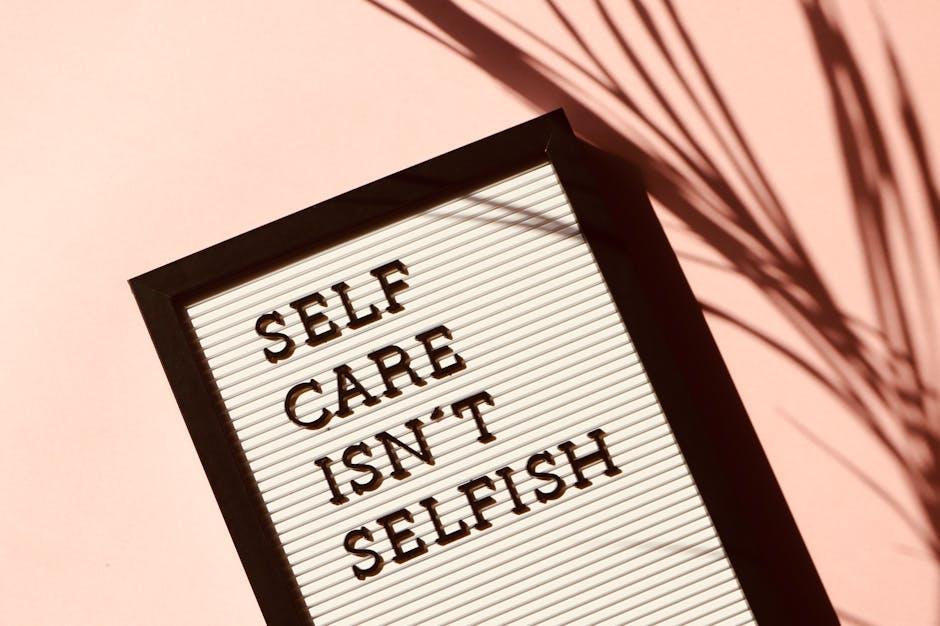
Ever feel like you're constantly on the go, juggling schoolwork, extracurriculars, and maybe even a part-time job? You're not alone. High school can be a whirlwind of activity, and it's easy to get caught up in the hustle and forget about taking care of yourself. But trust me, prioritizing your well-being is not just a luxury, it's essential for thriving in all aspects of your life.
So, what exactly is self-care? It's not just about bubble baths and face masks (although those are definitely nice!). Self-care is about actively taking steps to protect your physical, mental, and emotional health. It's about recognizing your needs and making time for activities that nourish you, both inside and out.
Self-care isn't just about feeling good; it's about functioning better in all areas of your life. Think of it like this: you wouldn't expect your phone to run smoothly without charging it, right? The same goes for you! Here's how self-care can help you power up:
- Physical Health: Ever feel super stressed before a big test? That's your body's way of telling you it needs a break. When you prioritize self-care, you're reducing stress, which can lead to better sleep, a stronger immune system, and even more energy to tackle your day. Think about it: getting enough sleep, eating healthy, and exercising regularly can make a huge difference in how you feel physically.
- Mental Health: Self-care is like a mental gym for your brain. It helps you develop resilience, meaning you can bounce back from challenges more easily. Taking time for activities you enjoy, like reading, listening to music, or spending time with loved ones, can help regulate your mood and reduce feelings of anxiety and depression. Imagine how much calmer you'd feel after a relaxing walk in nature or a good laugh with friends!
- Academic Success: You might be surprised to hear this, but self-care is actually a secret weapon for achieving your academic goals. When you're well-rested and feeling good mentally, you're able to focus better, concentrate more easily, and stay motivated. Think about it: would you rather cram for a test feeling exhausted or study with a clear mind and a good night's sleep? Kyros.AI's "Courses" and "Tests" modules can help you find video lessons for various school subjects and standardized tests, like PSAT, SAT, ACT, AP, etc. These resources can help you learn effectively and manage your stress levels.
- Relationships: Self-care isn't just about you; it also benefits the people around you. When you're taking care of yourself, you're better equipped to be present and empathetic in your relationships. You'll be a better listener, communicator, and friend. Imagine how much stronger your relationships would be if you were able to be more present and engaged with the people you care about.
Self-care isn't a one-size-fits-all approach. It's about understanding your unique needs and finding activities that work for you. Think of it like a toolbox with different tools for different jobs. Here are some categories of self-care, along with examples that might resonate with you:
Physical Self-Care: This is all about taking care of your body. Think of it as fueling your engine so you can run smoothly! Here are some ideas:
- Exercise: Whether it's hitting the gym, going for a run, or joining a sports team, getting your body moving is a great way to reduce stress and boost your mood. Remember, even a short walk can make a difference!
- Sleep: Getting enough sleep is crucial for your physical and mental well-being. Aim for 7-9 hours of sleep each night. Try setting a regular sleep schedule, creating a relaxing bedtime routine, and making sure your bedroom is dark, quiet, and cool.
- Nutrition: Fueling your body with healthy food is essential for energy and focus. Try to eat a balanced diet with plenty of fruits, vegetables, and whole grains. Limit processed foods, sugary drinks, and excessive caffeine.
Mental Self-Care: This is about taking care of your mind and fostering a positive mindset. Think of it as giving your brain a break and letting it recharge! Here are some ideas:
- Mindfulness: This is about paying attention to the present moment without judgment. Try practicing mindfulness meditation, where you focus on your breath and notice your thoughts and feelings without getting caught up in them. There are lots of apps and guided meditations available online.
- Journaling: Writing down your thoughts and feelings can be a great way to process emotions, gain clarity, and reduce stress. You can use a journal to track your progress, reflect on your day, or simply express yourself creatively. Kyros.AI's "My Portfolio" module can help you organize your thoughts and track your progress, allowing you to reflect on your journey.
- Hobbies: Engaging in activities you enjoy can be a great way to relax, de-stress, and boost your mood. Whether it's reading, listening to music, playing video games, or pursuing a creative passion, make time for things that bring you joy.
Emotional Self-Care: This is about taking care of your feelings and building emotional resilience. Think of it as tending to your emotional garden and nurturing your inner well-being! Here are some ideas:
- Therapy: If you're struggling with difficult emotions, talking to a therapist can be incredibly helpful. They can provide a safe and supportive space to work through challenges and develop coping mechanisms.
- Talking to friends: Sometimes, all you need is to talk to someone you trust about what's going on. Sharing your feelings with friends can help you feel less alone and gain a different perspective.
- Self-compassion: It's important to be kind and understanding to yourself, especially when you're going through a tough time. Practice self-compassion by acknowledging your feelings, accepting your imperfections, and treating yourself with the same kindness you would offer a friend.
Social Self-Care: This is about nurturing your relationships and connecting with others in meaningful ways. Think of it as building a support network that can help you thrive! Here are some ideas:
- Spending time with loved ones: Make time for the people who matter most to you. Whether it's hanging out with friends, having dinner with family, or simply calling someone you care about, connecting with others can boost your mood and reduce feelings of loneliness.
- Joining clubs or groups: Joining a club or group that aligns with your interests can be a great way to meet new people, learn new skills, and build a sense of community. Think about your hobbies, passions, and what you'd like to learn more about. Kyros.AI's "Extracurriculars" module can help you explore summer programs, clubs, organizations, community service opportunities, competitions, and research and publication opportunities.
- Saying no: It's okay to say no to commitments that don't serve you. Don't feel pressured to overextend yourself or take on more than you can handle. Prioritizing your well-being means setting boundaries and saying no when necessary.
Now that you understand why self-care is so important, let's talk about how to actually make it happen. The first step is to identify your own needs. What are you struggling with? Are you feeling overwhelmed, stressed, or burnt out? Maybe you're not getting enough sleep, or you're not eating as healthily as you could be. Once you know what you need to work on, you can start to prioritize activities that will help you address those needs.
Think about what activities make you feel good and energized. Do you enjoy spending time in nature? Maybe a walk in the park or a hike in the woods would be a great way to de-stress. Do you find comfort in music? Listening to your favorite tunes or playing an instrument can be a great way to unwind. Do you love to read? Curl up with a good book and escape into another world. The key is to find activities that resonate with you and that you actually enjoy doing.
Incorporating self-care into your daily life can seem daunting, but it doesn't have to be a major overhaul. Start small and build from there. Try scheduling time for relaxation into your day, even if it's just for 15 minutes. This could be anything from taking a warm bath to meditating to simply sitting quietly and enjoying a cup of tea. You can also set boundaries to protect your time and energy. For example, you might decide to limit your social media use or to say no to extra commitments when you're feeling overwhelmed.
It's also important to be mindful of your triggers - those things that tend to stress you out or make you feel bad. Once you identify your triggers, you can start to develop strategies for managing them. For example, if you find that certain people or situations tend to make you anxious, you might try to avoid them or to develop coping mechanisms for dealing with them.
Finding time for self-care can be a challenge, especially when you're busy with school, extracurriculars, and other commitments. But it's important to remember that self-care is not a luxury, it's a necessity. Think of it as an investment in your future. By taking care of yourself now, you're setting yourself up for success in all areas of your life. Kyros.AI's "Roadmap Planning" module can help you plan your courses and extracurricular activities with your counselor, ensuring you're on track for success.
You might also feel guilty about taking time for yourself, especially if you're used to putting everyone else's needs before your own. But it's okay to prioritize your well-being. In fact, it's essential. Remember, you can't pour from an empty cup. You need to take care of yourself in order to be there for others.
If you're struggling to find the time or motivation for self-care, don't be afraid to seek support. Talk to your parents, friends, teachers, or a counselor. They can offer encouragement, advice, and accountability. You can also join a support group or online community where you can connect with others who are also working on prioritizing their well-being. Kyros.AI's "Educator Network" can connect you with educators for 1:1 sessions to improve in different areas.
The key to making self-care a habit is consistency. Just like you wouldn't expect to get in shape by working out once a month, you can't expect to reap the benefits of self-care by doing it sporadically. Try to incorporate self-care into your routine on a daily or weekly basis. Even small acts of self-care can make a big difference over time. Remember, you're worth it!
So, make self-care a priority! It's okay to put your needs first sometimes. Don't be afraid to say no to commitments that drain your energy, and remember that it's okay to ask for help when you need it. Talk to your parents, friends, teachers, or a counselor if you're struggling to find the time or motivation for self-care. They can offer support and guidance.
Ready to embark on your own self-care journey? Start small and build from there. Try scheduling in 15 minutes of relaxation each day, even if it's just a few minutes of quiet time. Explore different activities that bring you joy and make you feel good. The key is to find what works for you and make it a regular part of your routine. You deserve to feel your best, and self-care is the key to unlocking your full potential.