



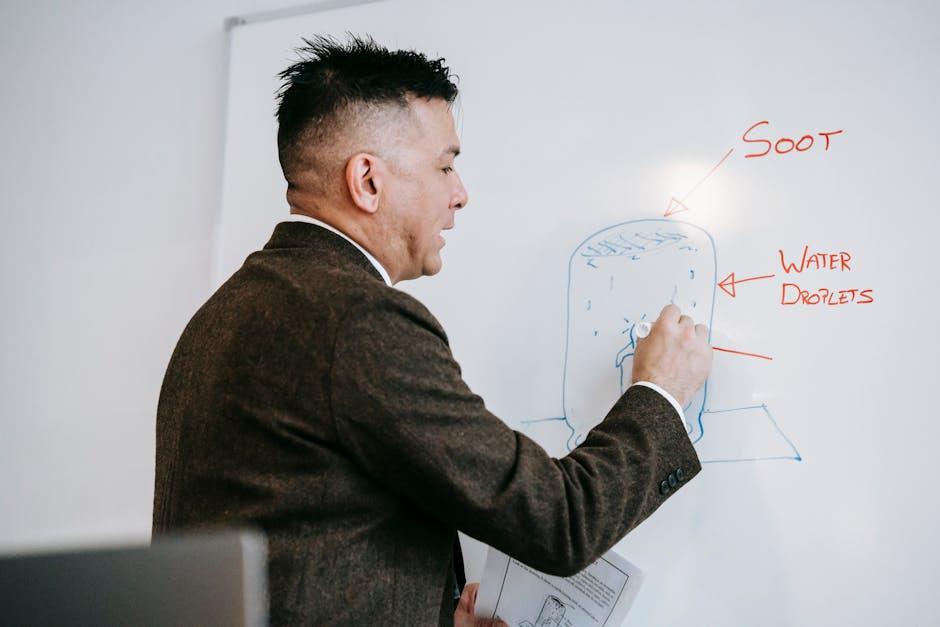
Imagine this: you're in a job interview, your heart pounding as you try to explain why you're the perfect candidate. Or, you're presenting a project to your class, hoping to impress your teacher and classmates. In both situations, your ability to communicate effectively is key.
In today's world, strong communication skills are more important than ever. Whether you're applying for college, landing your dream job, or simply navigating your daily life, being able to express yourself clearly and persuasively can open doors and unlock your full potential.
Mastering written and verbal communication can help you build strong relationships, advance your career, and express yourself confidently. Imagine being able to write a compelling essay that earns you top marks, or delivering a speech that captivates your audience. These are just a few examples of how strong communication skills can empower you to achieve your goals.
Think about the last essay you wrote. Did you get your point across clearly? Was it easy to read and understand? These are key elements of effective written communication.
Clarity, conciseness, and coherence are like the three legs of a stool - your writing needs all three to stand strong. Clarity means using simple language and avoiding confusing jargon. Conciseness means getting your point across in as few words as possible. Coherence means organizing your thoughts logically and using transitions to smoothly connect your ideas. For example, instead of writing "The dog was big and brown," you could say "The large, brown dog..." See how that's clearer and more concise?
Grammar, punctuation, and vocabulary are the tools of your writing toolbox. Just like a carpenter needs the right tools, you need to use these elements correctly to build strong sentences and paragraphs. Using correct grammar ensures your writing is grammatically sound. Punctuation helps you guide the reader through your ideas and create the right tone. A strong vocabulary allows you to express yourself precisely and with impact. Think about how the word "excited" sounds different than "thrilled" or "ecstatic." Each word has a slightly different meaning and impact.
Improving your writing skills takes practice and attention to detail. Here are some tips:
- Proofread carefully: Read your work out loud to catch any errors in grammar, spelling, or punctuation.
- Use active voice: Active voice makes your writing more direct and engaging. For example, instead of "The ball was hit by the boy," write "The boy hit the ball."
- Avoid jargon: Stick to simple language that everyone can understand.
- Get feedback: Ask a friend, teacher, or family member to read your work and give you feedback.
- Utilize Kyros.AI's "My Portfolio" feature: This tool can help you organize your thoughts and create a polished resume to showcase your skills.
Different types of written communication require different approaches. An essay needs to be formal and well-structured, while an email can be more informal. A report needs to be factual and objective, while a personal letter can be more expressive. Think about your audience and purpose when deciding how to tailor your writing style.
Speaking clearly and confidently is just as important as writing well. Think about how you communicate with your friends, family, teachers, or even strangers. Do you listen to what they have to say? Do you express yourself clearly? Do you understand the unspoken cues they're sending? These are all aspects of verbal communication that can make or break your interactions.
Active listening is the foundation of good communication. It means paying attention not just to the words someone is saying, but also to their tone of voice, body language, and facial expressions. When you actively listen, you show the other person that you care about what they have to say. You can demonstrate active listening by nodding, making eye contact, and asking clarifying questions. For example, instead of just saying "uh-huh" when someone is talking, you could say, "That's interesting. Can you tell me more about that?"
Nonverbal communication plays a huge role in how your message is received. Your body language, tone of voice, and facial expressions can convey a lot more than your words alone. For example, if you're slouching and avoiding eye contact, it might seem like you're not interested or confident, even if your words are positive. On the other hand, standing tall, making eye contact, and using a clear and confident tone of voice can make you seem more engaged and persuasive.
Public speaking can be nerve-wracking, but it's a valuable skill to develop. Here are some tips to help you feel more confident when presenting:
- Practice, practice, practice: The more you practice your speech, the more comfortable you'll feel delivering it. Practice in front of a mirror, record yourself, or even present to a friend or family member.
- Use visual aids: Slides, posters, or other visual aids can help keep your audience engaged and make your presentation more interesting.
- Engage your audience: Make eye contact with your listeners, ask questions, and encourage them to participate.
- Consider Kyros.AI's "Educator Network": This platform connects you with experienced educators who can provide personalized guidance and feedback on your presentations.
Different types of verbal communication require different approaches. A casual conversation with a friend might be more relaxed and informal, while a formal presentation to a group of people will require a more structured and professional tone. Think about your audience and the context of the conversation when deciding how to adapt your style. For example, you might use more technical language when talking to a group of scientists, but you'd use simpler language when talking to a group of friends.
Think about how you communicate with your friends. You might text them about plans, then call them to confirm the details. Maybe you even send a funny meme to lighten the mood! This is how written and verbal communication work together.
Written communication helps set the stage, providing information and context. It's like the script for a play. Verbal communication brings the script to life, adding emotion, nuance, and personal connection. It's like the actors bringing the characters to life.
Imagine writing a thank-you note to a friend who helped you with a project. Your words express your gratitude, but your tone of voice when you read it aloud adds warmth and sincerity.
Consistency is key! Just like a good actor stays true to their character, you need to maintain a consistent style and tone across different forms of communication. If you're writing a formal email to a teacher, you wouldn't use the same slang you use with your friends.
Here are some real-life examples of how to integrate written and verbal communication:
- Job Interview: You might send a follow-up email after an interview, reiterating your interest and thanking the interviewer. Then, during the interview, you can use your verbal communication skills to expand on your written responses and showcase your personality.
- Group Project: You could use a shared document to brainstorm ideas and delegate tasks, then use verbal communication to discuss progress, resolve conflicts, and ensure everyone is on the same page.
- Social Media: You might post a funny meme on Instagram, then use comments and direct messages to engage with your friends and followers.
- Kyros.AI's "Roadmap Planning" feature: This tool can help you plan your academic and extracurricular activities, ensuring you have a clear communication strategy for your goals.
By mastering both written and verbal communication, you can create a powerful and cohesive message that resonates with your audience. Remember, communication is a two-way street. Be an active listener, be aware of your nonverbal cues, and adapt your style to the situation. With practice and attention to detail, you can unlock your full potential as a communicator!
Don't be afraid to practice your communication skills! The more you write, speak, and engage with others, the more confident and effective you'll become. Seek out opportunities to write essays, give presentations, participate in discussions, and engage in meaningful conversations. Pay attention to your writing style, your tone of voice, and your body language. Ask for feedback from friends, teachers, or mentors. The more you practice, the better you'll become at communicating your ideas and achieving your goals.
We'd love to hear from you! Share your experiences with communication in the comments below. What are some of your favorite tips for improving your written and verbal communication skills? What challenges have you faced, and how have you overcome them? Let's learn from each other and continue to unlock our full potential as communicators!